How to Choose the Right Historic Wedding Venue in Northern California
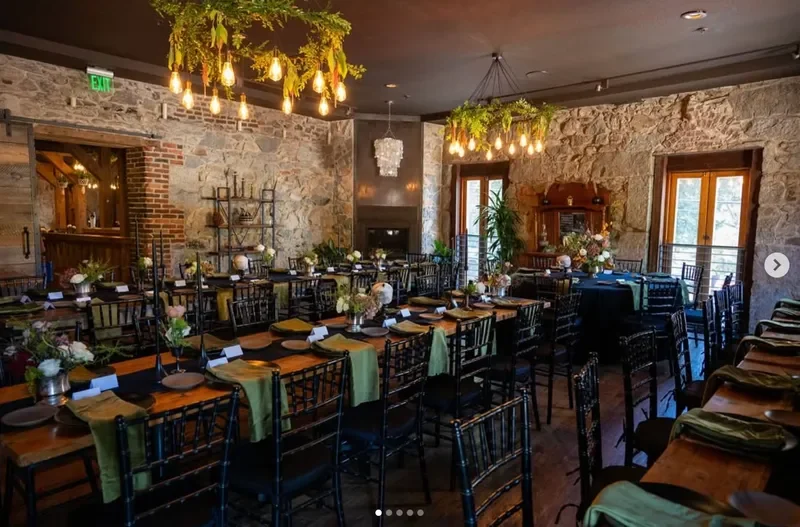
Step 1: Decide What “Historic” Means to You
Northern California has all kinds of historic venues: stone caverns, red‑brick halls, farmhouses, mansions, and former industrial buildings turned performance spaces. The first question is:
Are you drawn to the look, the story, or both?
If the story matters, look for venues that can share:
The building’s original purpose (brewery, theatre, civic hall, etc.)
When it was built and how it’s been restored
Any thoughtful ways the venue honors that history today
Step 2: Pay Attention to Layout, Not Just Pretty Spaces
Historic venues are rarely one giant ballroom. That’s part of the charm—and part of why you need to think about flow:
Is there a natural path from ceremony to cocktail hour to dinner to dancing?
Can older guests and people with mobility needs navigate stairs and transitions comfortably?
Do you have at least one quiet area for conversation once the dance floor opens?
Venues like Stone House, for instance, offer a courtyard, Great Hall, showroom, lounge, tavern, and cavern, each with a distinct feel and capacity. That allows you to move guests through a series of experiences without ever leaving the property.
Step 3: Ask Hard Questions About Food & Beverage
In a historic space, the food and drink can either match the vibe or feel like an afterthought. When you tour:
Ask if there’s an on‑site kitchen or if everything is brought in.
Find out whether the culinary team sources ingredients locally or works with regenerative or organic producers. Stone House, for example, focuses on locally grown, organic produce and a seed‑oil‑free kitchen, which is a huge plus for health‑conscious guests.
Request sample menus that show how the food changes by season.
Historic ceremony photos are gorgeous, but guests remember what they ate—and how they felt—long after.
Step 4: Look at Capacity (Realistically)
Don’t just ask, “What’s the max?” Ask:
How many people fit comfortably for a seated dinner?
Does that number change for cocktail‑style vs. seated events?
If we use multiple rooms, what does guest distribution look like?
For example, a venue might accommodate up to 300 guests in a showroom for dancing but only 100–130 in a courtyard for dinner. That matters if you’re imagining everyone sitting together under the stars.
Step 5: Consider the Surroundings
Finally, zoom out:
Is the venue in a walkable historic district like Nevada City, where guests can explore before and after the wedding?
Are there hotels and rentals nearby so people don’t have to drive far?
Is there interesting terrain around (rivers, forests, vineyards) for photos and weekend activities?
When architecture, story, food, layout, and surroundings all line up, you’ve found more than just a pretty room—you’ve found the place where your wedding actually makes sense.
If that picture includes stone walls, warm lighting, live‑music‑ready spaces, and thoughtful, farm‑driven food, a venue like Stone House in Nevada City is worth putting on your shortlist.